Rum, a spirit steeped in history and Caribbean sunshine, often conjures images of pirates, tropical cocktails, and exotic locales. But like fine wine or single malt whisky, rum can possess a profound sense of “terroir”—a French term encompassing the environmental factors that affect a crop’s phenotype, including unique environment, farming practices, and specific growth habitat. Few brands embody this concept as distinctly as Plantation Rum.
Since its inception, Plantation Rum has embarked on a unique journey, showcasing the diverse characteristics of rums from various origins. This isn’t just about blending; it’s about a philosophy of maturation that respects and enhances the spirit’s innate qualities.
Let’s explore what makes Plantation Rum so fascinating.
The Vision of Alexandre Gabriel
The story of Plantation Rum truly begins with Alexandre Gabriel, the master blender and owner of Maison Ferrand, a distinguished Cognac house. Gabriel’s initial foray into the Caribbean was driven by a desire to source exceptional rum for his Cognac casks—a common practice in the spirits world for seasoning barrels. However, he quickly fell in love with the complexity and diversity of Caribbean rums.
He observed that while these rums possessed incredible character, they often reached their peak potential with a secondary aging process. This led to the revolutionary concept that defines Plantation Rum today: “double aging.”
The Art of Double Aging
This distinctive maturation process is the cornerstone of Plantation Rum’s philosophy:
- Tropical Aging: The rum first matures in its country of origin, within oak casks, under the intense heat and humidity of the Caribbean or Latin American climate. This initial aging is crucial, as the tropical conditions accelerate the interaction between the spirit and the wood. The “angel’s share” (evaporation) is significantly higher here, concentrating the flavors and often imparting bold, robust characteristics. This stage develops the rum’s fundamental identity, reflecting the specific sugarcane, fermentation, and distillation techniques of its birthplace.
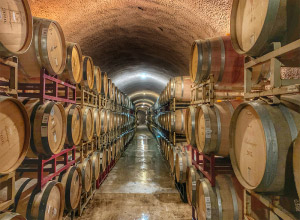
- Continental Aging: After its tropical slumber, the rum is transported across the Atlantic to France, specifically to the cool, damp cellars of Maison Ferrand in Cognac. Here, the rum undergoes a second maturation in French oak casks, often previously used for Cognac. This continental aging is slower and more gentle, allowing the rum to refine its profile, soften harsh edges, and develop incredible complexity, elegance, and nuanced flavors like vanilla, dried fruit, and delicate spice. The Cognac casks can also impart subtle floral or fruity notes, adding another layer to the rum’s character.
This double aging process allows Plantation Rum to capture the vibrant intensity of the tropics and marry it with the sophisticated elegance of European cellar aging.
A Journey Through Terroirs
Plantation Rum offers a stunning portfolio that highlights the unique “terroir” of various rum-producing nations. Each expression tells a story:
- Barbados: Often considered the birthplace of rum, Barbadian rums from Plantation are known for their balance, fruitiness, and classic rum character. The coral limestone soil and distillation traditions contribute to a smooth yet complex profile.
- Jamaica: Jamaican rums are famous for their high ester count, leading to bold, aromatic, and funky notes. Plantation’s Jamaican expressions capture this vibrant intensity, often showcasing notes of overripe fruit and savory undertones.
- Trinidad: Rums from Trinidad tend to be lighter, cleaner, and often molasses-driven, with notes of dried fruit and spice.
- Guadeloupe: Known for rhum agricole (rum made directly from fresh sugarcane juice rather than molasses), these rums offer fresh, grassy, and floral notes, which evolve beautifully with aging.
- Fiji: A newer addition, Fijian rums often present a robust, smoky, and almost industrial character, revealing the adventurous side of rum.
Beyond these core origins, Plantation also releases limited-edition vintage rums and special blends, further exploring the nuances of rum production worldwide.
Tasting Plantation Rum
When tasting Plantation Rum, pay attention to:
- Nose: Can you discern the tropical origins, with notes of ripe fruit or sugarcane? Are there hints of the Cognac aging, like vanilla, toasted nuts, or spice?
- Palate: How does the initial boldness of tropical aging transition into the refined complexity of continental aging? Look for layers of flavor—caramel, chocolate, tobacco, baking spices, or exotic fruits.
- Finish: Is it long and lingering? Does it leave you with warmth, sweetness, or a pleasant dryness?
Take Backs
Plantation Rum is more than just a brand; it’s an educational journey through the world of rum. By meticulously sourcing exceptional spirits and employing their innovative double aging technique, Alexandre Gabriel and his team have created a range that celebrates diversity, highlights terroir, and consistently delivers rums of remarkable depth and character. Whether you’re a seasoned rum aficionado or new to the spirit, exploring Plantation Rum is an essential step in understanding the true artistry and global heritage of this magnificent drink.